
A Beginner's Guide To Collagen Health Benefits

 By Elsie Shelton | Editor

Different Types Of Collagen
1
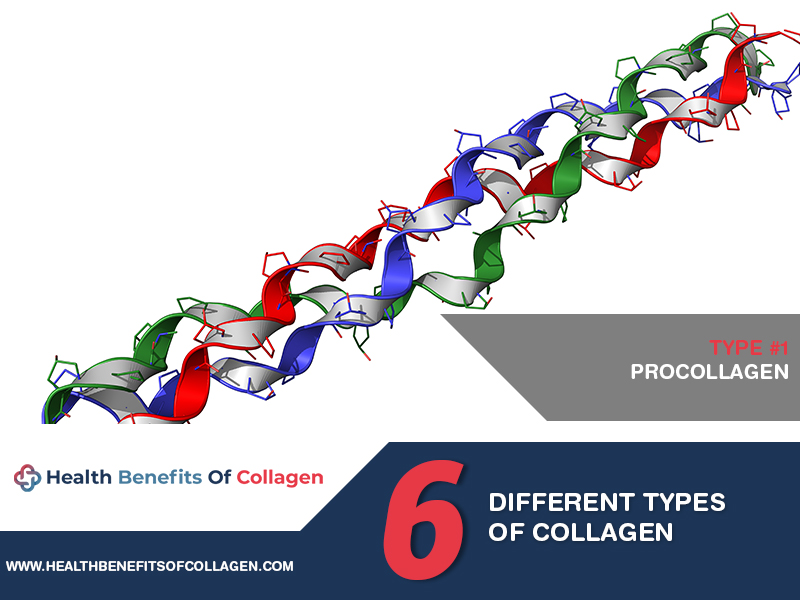
Procollagen
Collagen is the most abundant protein in the body, and it plays a vital role in many different processes. There are many different types of collagen, each with its unique structure and function. Procollagen is the most common type of collagen, and it plays an important role in wound healing and tissue regeneration. It is also a key component of the skin, bones, and connective tissues.
Hydrolyzed collagen is a type of collagen that has been broken down into smaller peptides, making it more easily absorbed by the body; this makes it ideal for use in supplements and skincare products. Marine collagen is another type of collagen that is derived from fish. It is high in amino acids and minerals, making it a popular choice for people looking to improve their overall health. Collagen plays a vital role in the body, and there are many different types to choose from. With so many options available, it's important to select the right type of collagen for your individual needs.
2
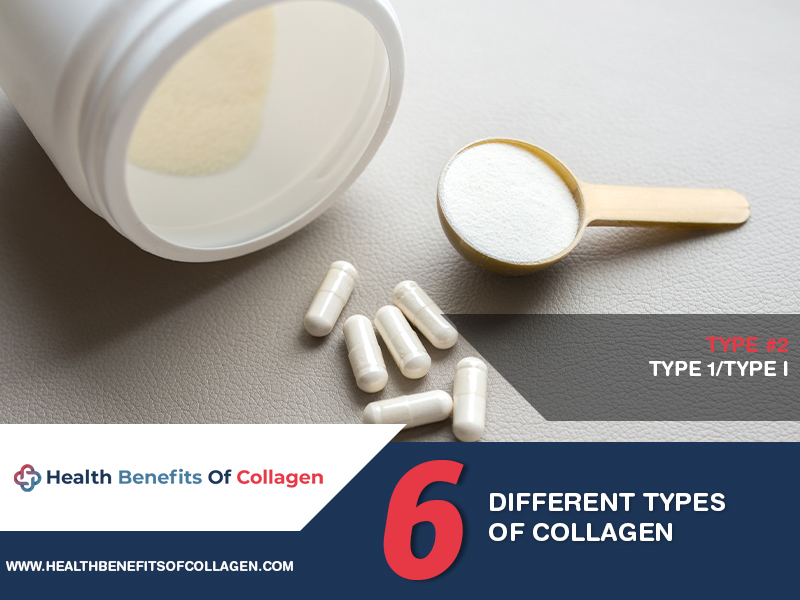
Type 1/Type I
Collagen is the most abundant protein in the body, making up about one-third of the total protein content. It is found in the skin, bones, tendons, and muscles. There are several different types of collagen, but type 1/type I is the most abundant. It makes up about 90% of the collagen in the body and can be found in the skin, tendons, and bones.
Type 1/type I collagen is made up of long-chain amino acids that are arranged in a triple helix structure; this unique structure gives type 1/type I collagen its strength and flexibility. It also makes it resistant to breakdown by enzymes. Type 1/type I collagen plays an important role in wound healing and helps keep the skin smooth and elastic. It is also involved in bone formation and repair. Supplementing with type 1/type I collagen has been shown to improve skin health, reduce joint pain, and promote wound healing.
3
Type 2/Type II
Collagen is a type of protein that is found in the connective tissues of animals. It makes up a large part of the skin, tendons, and ligaments, and it gives these tissues their strength and flexibility. Collagen is also found in the bones and teeth.
There are several different types of collagen, but type II collagen is the most abundant type in the body. It is typically found in the cartilage, which is the tissue that cushions the joints. Type II collagen can also be found in the cornea of the eye and the lens of the eye. Type II collagen is essential for maintaining healthy connective tissues.
4
Type 3/Type III
Collagen is a major component of connective tissues, and it plays an important role in the structure and function of many tissues, including the skin, bone, and tendons. There are several different types of collagen, but type III is the most abundant in the body. Type III collagen is found in the skin, blood vessels, and intestines. It is responsible for the elasticity and strength of these tissues. Without type III collagen, these tissues would be weak.
Additionally, type III collagen plays an important role in wound healing. When the body is injured, type III collagen helps repair the damaged tissues. Consequently, collagen is an essential protein for the health and function of the human body.
5
Type 4/Type IV
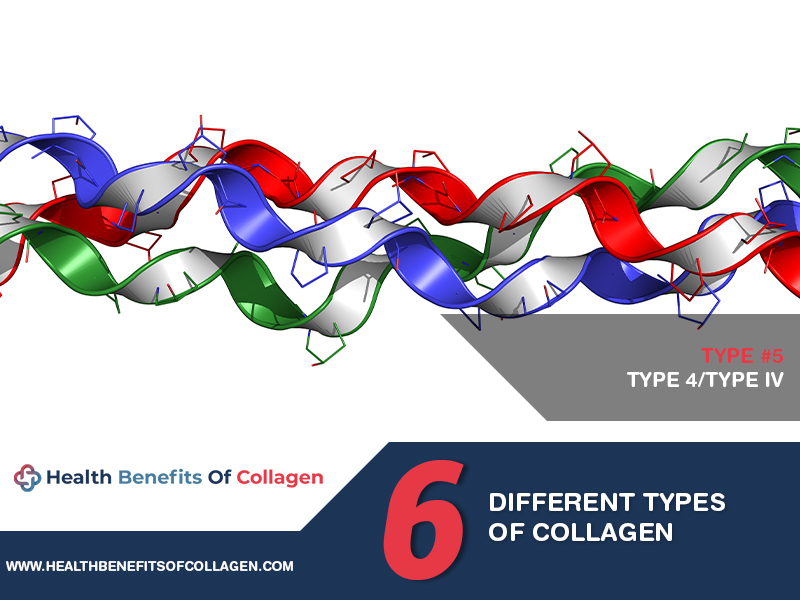
There are many different types of collagen, but type 4/type IV is particularly important for the skin. This type of collagen forms a strong, dense network that helps keep the skin smooth and elastic. It also provides a barrier against harmful substances, making it an essential part of the skin's defense system. Type 4/type IV collagen is found in all layers of the skin, but it is most concentrated in the deepest layer (the dermis). This layer provides the majority of support for the skin, and it is especially vulnerable to damage from sun exposure, pollution, and other environmental stressors.
As we age, our bodies produce less collagen, and this can lead to wrinkles, sagging skin, and a loss of elasticity. However, there are many ways to boost collagen production and keep your skin looking young and healthy. Eating a healthy diet, getting enough sleep, and using products that contain collagen-stimulating ingredients can all help keep your skin looking its best.
6
Type 5/Type V
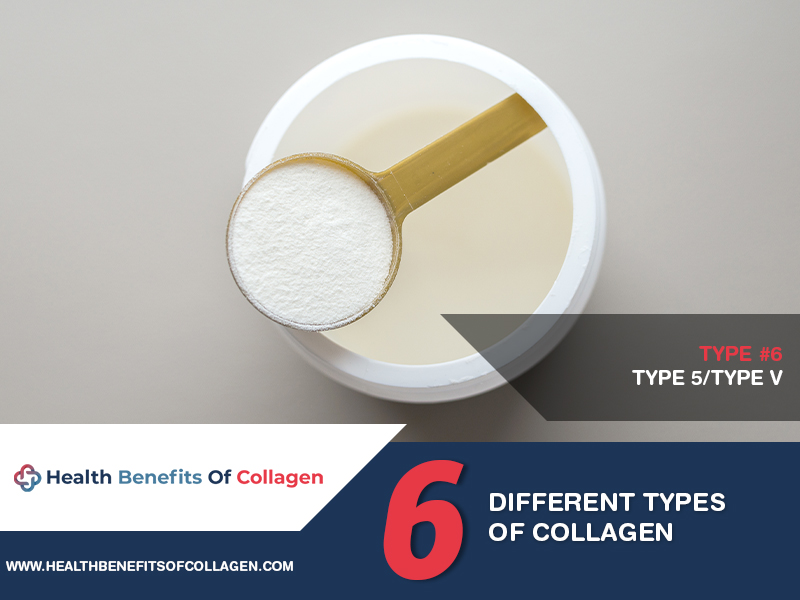
Type 5 (or Type V) is particularly important for maintaining healthy skin. This type of collagen helps form a strong barrier against external aggressors, such as UV rays and pollution. Additionally, it plays a key role in wound healing and keeping the skin plump and hydrated.
While our bodies produce collagen naturally, the production declines with age. This is one of the major contributing factors to wrinkles and other signs of aging skin. Fortunately, there are many ways to boost collagen production, including topical treatments, dietary supplements, and certain lifestyle changes. By incorporating some or all of these strategies into your skincare routine, you can help keep your skin looking youthful and radiant for years to come.
4 Sources Of Collagen

1
Chicken Collagen
Collagen is a protein found in the skin, bones, and connective tissues of animals. It is responsible for the elasticity and strength of these tissues. There are many different types of collagen, but the most common are types I, II, and III. Chicken collagen is a type of collagen that is derived from the skin, bones, and connective tissue of chickens.
It is typically used in cosmetics and skin care products due to its high concentration of collagen. Chicken collagen can help reduce the appearance of wrinkles, fine lines, and other signs of aging. It can also help improve the elasticity and firmness of the skin. In addition, chicken collagen is often used in wound care products due to its ability to promote healing.
2
Fish Collagen
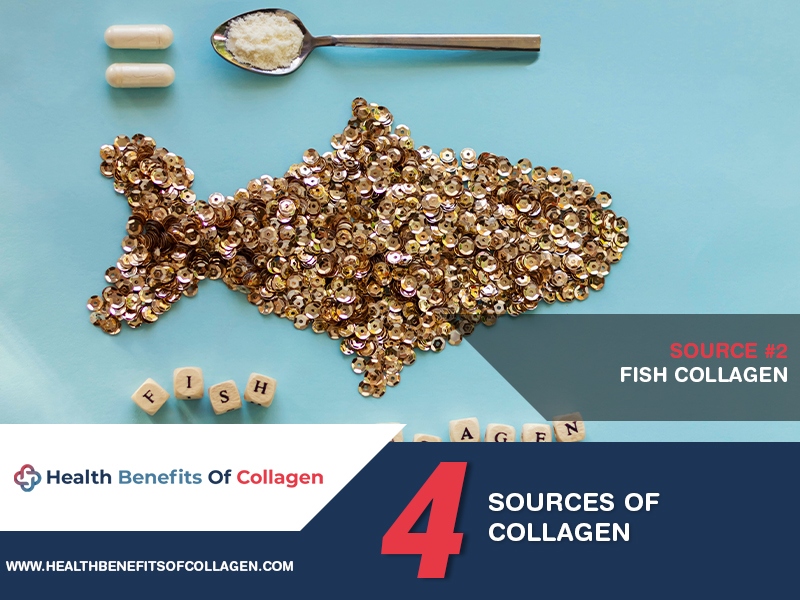
Fish collagen is a popular source of collagen for supplements. It is very similar to human collagen and is easily absorbed by the body. Fish collagen is typically sourced from freshwater fish, such as tilapia or carp. One advantage of fish collagen is that it is lower in mercury than other sources, such as marine animals. However, fish collagen may not be suitable for people with fish allergies.
Marine collagen is another popular source of collagen supplements. It is derived from the skin and scales of saltwater fish, such as cod, salmon, and halibut. Marine collagen is rich in proline and glycine, two amino acids that are essential for healthy skin and joints. Marine collagen is also less likely to cause allergic reactions than other sources.
3
Egg Shell Membrane Collagen
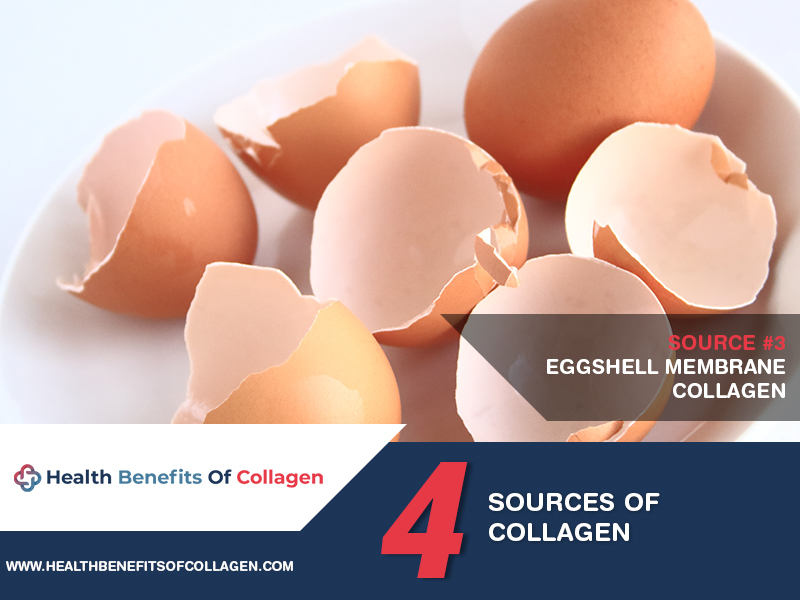
Eggshell membrane collagen is a type of collagen that can be found in the thin layer of tissue that lines the inner surface of chicken eggs. It is composed of various proteins, including collagens, that give it its structural stability. Eggshell membrane collagen has been shown to have several benefits for human health, including joint pain relief, wound healing, and skin elasticity.
Additionally, it is a rich source of nutrients, including calcium, potassium, and magnesium. Eggshell membrane collagen can be sourced from chickens raised in free-range or cage-free environments as well as from organic eggs. When purchasing eggshell membrane collagen, it is important to look for products that are free from harmful chemicals and additives.
4
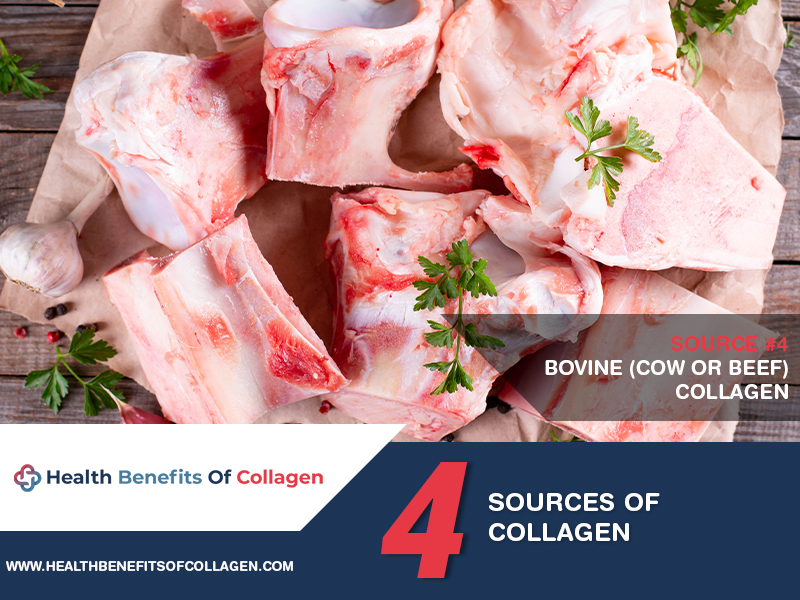
Bovine (Cow Or Beef) Collagen
Collagen is the most abundant protein in the body, and it plays a vital role in keeping the skin healthy and strong. As we age, our bodies produce less collagen, resulting in wrinkles and other signs of aging. While there are many products on the market that claim to boost collagen production, few of them contain collagen.
Bovine collagen, however, is a natural source of this important protein. Derived from cows or beef, bovine collagen has been shown to support healthy skin by reducing wrinkles and improving elasticity. In addition, bovine collagen is also a rich source of other nutrients, like glycine, proline, and hydroxyproline, which are essential for proper skin health. If you're looking for a natural way to support your skin's health, look for products that contain bovine collagen.
Collagen Peptides
1
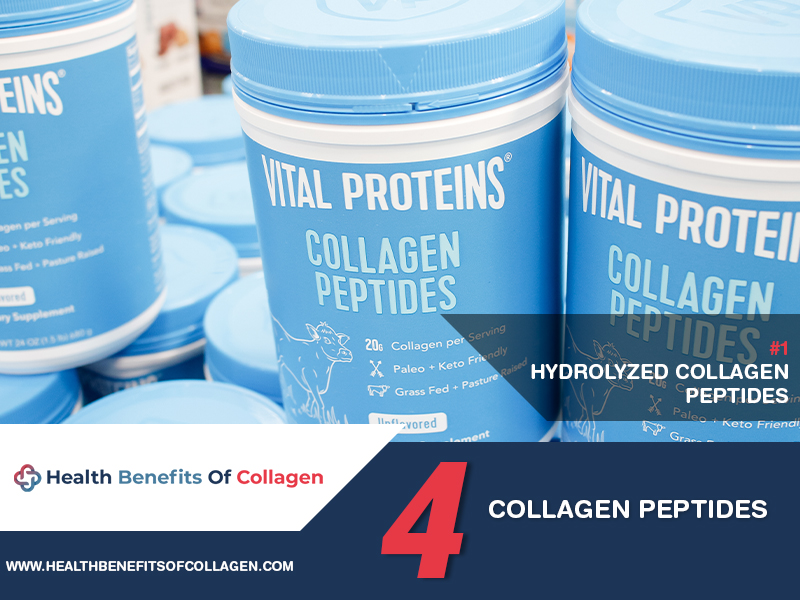
Hydrolyzed Collagen Peptides
Collagen is the most abundant protein in the body, and it plays a crucial role in maintaining the strength and elasticity of the skin, bones, and connective tissues. However, as we age, our bodies produce less collagen, leading to wrinkles, joint pain, and other signs of aging. One way to combat the effects of collagen loss is to supplement with hydrolyzed collagen peptides.
These peptides are easily digested and absorbed by the body, providing a direct source of raw material for collagen production. In addition, hydrolyzed collagen peptides have been shown to improve skin elasticity and reduce inflammation. As a result, they offer a safe and effective way to combat the signs of aging and support overall health.
2
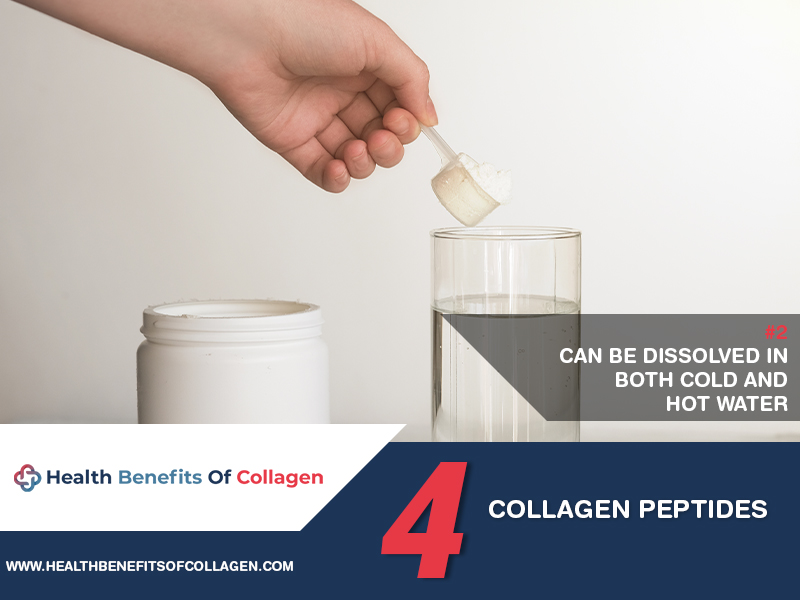
Can Be Dissolved In Both Cold And Hot Water
Collagen peptides are a popular dietary supplement, but there is some confusion about how to use them. Some people believe that collagen peptides can only be dissolved in hot water, but this is not the case. Collagen peptides can be dissolved in both cold and hot water. The key is to use enough liquid. For every scoop of collagen peptides, use at least eight ounces of water.
If you are using hot water, let the water cool for a few minutes before adding the collagen peptides. This will help prevent the collagen peptides from clumping together. Once the collagen peptides are fully dissolved, you can add them to any beverage of your choice. Enjoy your delicious and nutritious collagen drink.
3
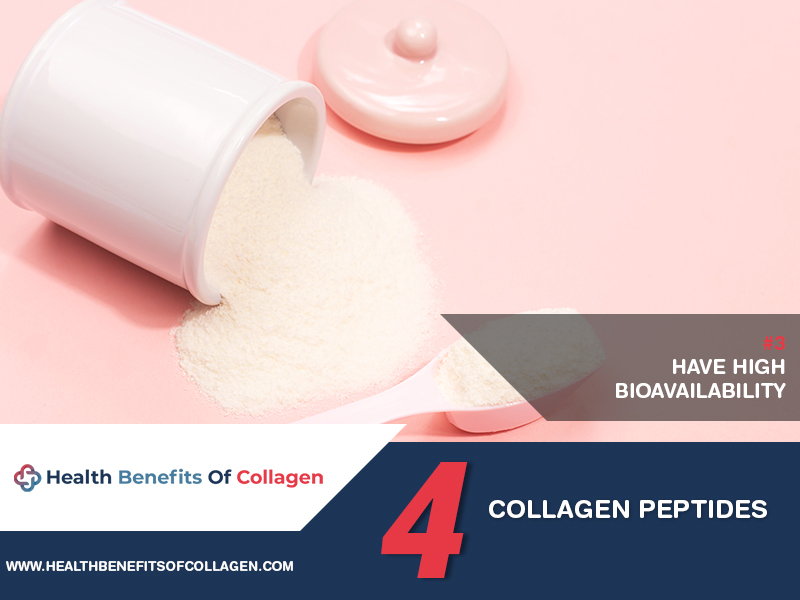
Have High Bioavailability
Collagen peptides are short chains of amino acids that are highly bioavailable, meaning that they are easily absorbed by the body. This makes them an excellent source of nutrition for both athletes and sedentary individuals alike. Collagen peptides provide the building blocks for healthy bones, skin, hair, and nails.
They also play a role in joint health, soothing inflammation, and promoting healing. Additionally, collagen peptides have been shown to improve gut health and digestion. With so many benefits, it's no wonder that collagen peptides are becoming increasingly popular. If you're looking for a nutritional supplement that can help you look and feel your best, collagen peptides are a great option.
4
Boasts The Same Set Of Benefits As Collagen Protein
Collagen is a protein found in the connective tissues of animals, and it is the most abundant protein in mammals. It makes up about 30% of the proteins in the human body, and it is found in the bones, muscles, skin, and tendons. Collagen has many important functions, including providing strength and structure to the tissues, aiding in tissue regeneration, and helping maintain a healthy inflammatory response.
Collagen peptides are a form of collagen that has been hydrolyzed or broken down into smaller units. This makes it more easily absorbed by the body. Studies have shown that collagen peptides provide the same set of benefits as collagen protein, including improving joint health, reducing inflammation, and promoting healthy skin. As a result, collagen peptides are an effective way to support the health of connective tissues.