
A Beginner's Guide To Collagen Health Benefits

 By Elsie Shelton | Editor

Collagen Bonus Facts
1
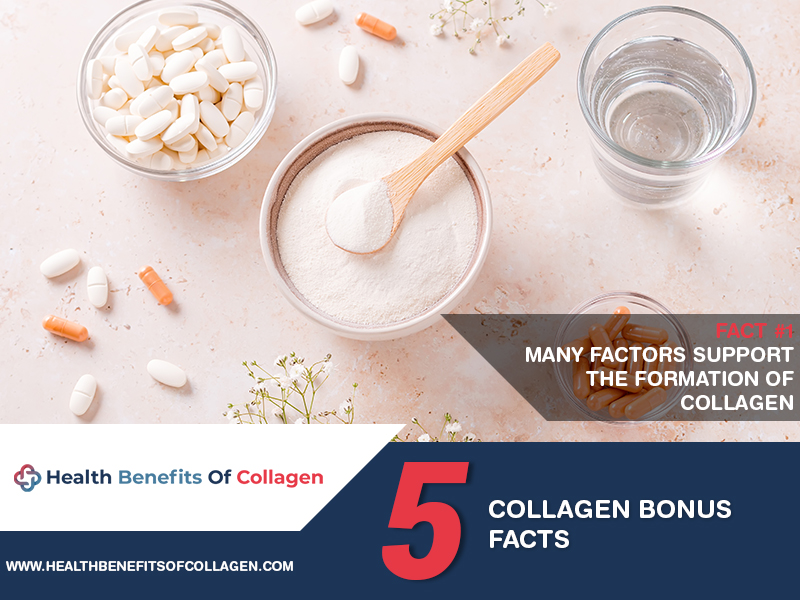
Many Factors Support The Formation Of Collagen
Many factors contribute to the formation of collagen. These include vitamin C, copper, zinc, silicon, and manganese. Vitamin C is essential for the synthesis of collagen. Copper and zinc help stabilize collagen fibers and promote wound healing. Silicon helps maintain the elasticity of collagen fibers.
Manganese is necessary for the production of collagenase, an enzyme that breaks down collagen. Collagen plays a vital role in the body and its formation is supported by many nutrients. By understanding these nutrients, we can take steps to ensure that the body has what it needs to produce this important protein.
2
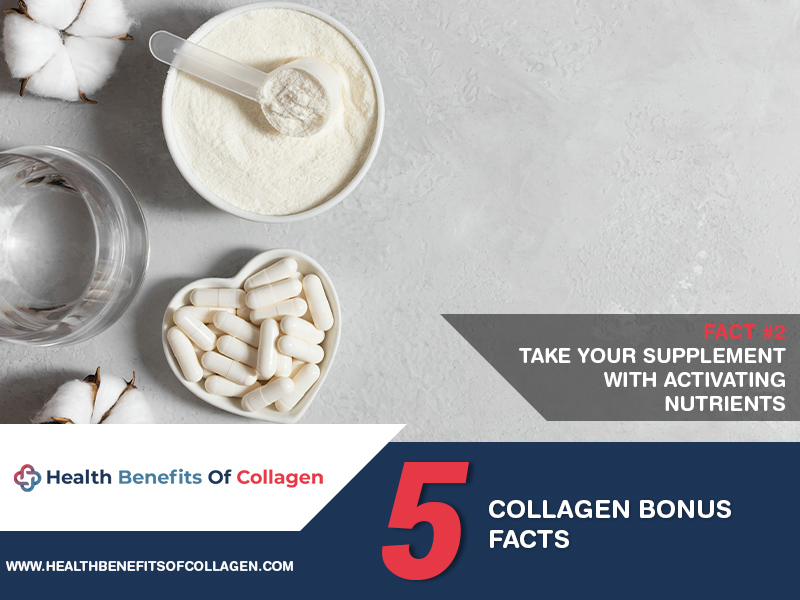
Take Your Supplement With Activating Nutrients
Collagen is a popular supplement for those looking to improve the health of their skin, hair, and nails. While collagen supplements can be effective, it's important to take them with activating nutrients to maximize their benefits. Vitamin C, for example, is essential for the production of collagen.
By taking a collagen supplement, along with vitamin C-rich food or drink, you can help ensure that your body can make the most of the collagen that you're taking in. In addition, other nutrients, such as biotin and zinc, can also help support healthy collagen production. So, if you're looking to get the most out of your collagen supplement, be sure to take it with activating nutrients for best results.
3
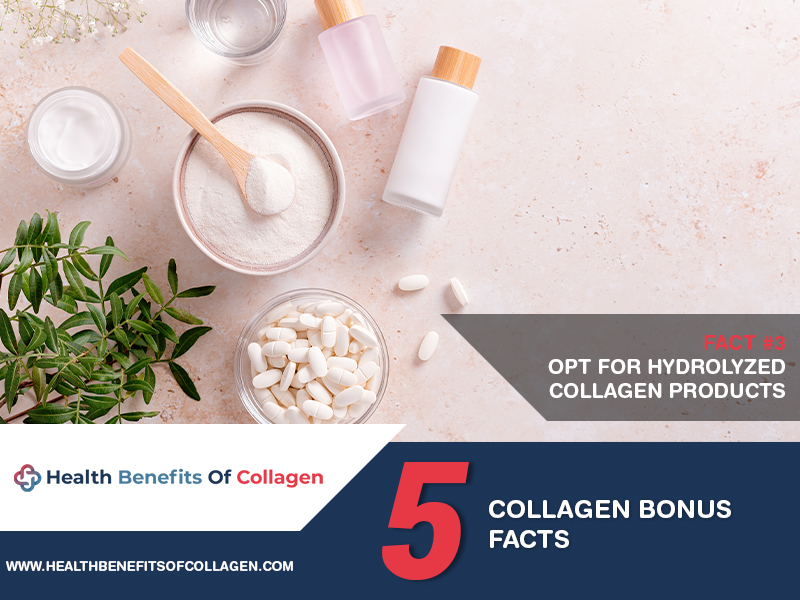
Opt For Hydrolyzed Collagen Products
When it comes to taking collagen supplements, not all products are created equal. One important factor to look for is whether the collagen has been hydrolyzed. This process breaks down the collagen into smaller peptides, which makes it easier for the body to absorb. Hydrolyzed collagen also has a higher bioavailability than non-hydrolyzed collagen, meaning that more of it is available for the body to use.
Hydrolyzed collagen is a type of collagen that has been broken down into smaller peptides. This makes it easier for your body to absorb and use. Hydrolyzed collagen is often used in supplements, skincare products, and food and beverage items. It has a variety of potential health benefits, including joint support, skin health, and gut health.
4
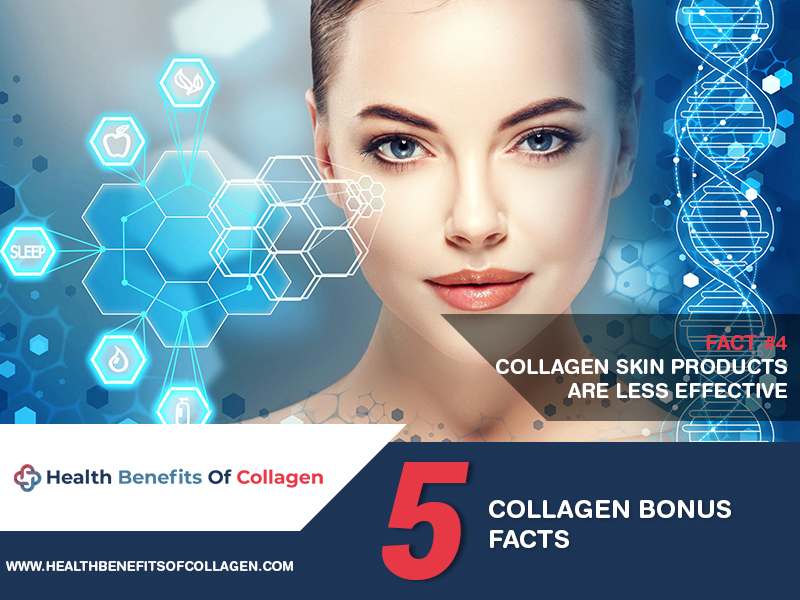
Collagen Skin Products Are Less Effective
Recent studies have shown that collagen skin products are less effective than previously thought. While they may provide some temporary benefit, they are not able to penetrate the skin's innermost layers where collagen is produced. As a result, collagen skin products are not able to stimulate the body's production of collagen. In addition, many commercial collagen products contain harsh chemicals that can damage the skin.
When applied to the skin, collagen molecules are too large to be absorbed. So while you may find many collagen skin care products on the market, there is little evidence to support their claims. When collagen is taken orally, however, it can help improve the health of your skin by providing the building blocks that your body needs to produce its collagen. In addition, oral collagen has been shown to improve the elasticity of the skin and reduce the appearance of fine lines and wrinkles. So if you're looking for a way to improve your skin, you're better off taking a collagen supplement than using a collagen-based skincare product.
5
Be Aware Of Collagen Building Foods
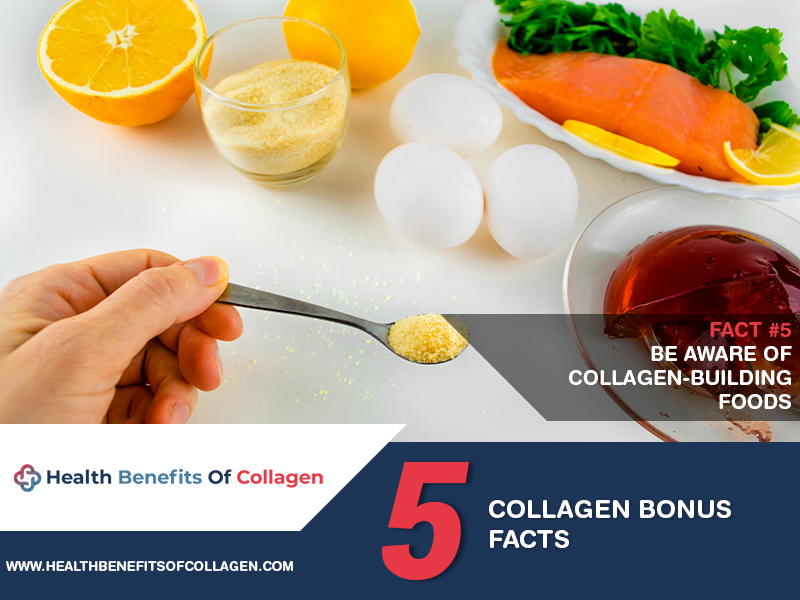
When it comes to collagen, there are a few key things to keep in mind. First, collagen is a protein that is essential for the health and function of the skin, hair, nails, and joints. Second, our bodies produce collagen naturally, but the production slows down as we age. Finally, we can help support our bodies' collagen production by consuming foods that are rich in amino acids, the building blocks of protein.
So what are some good collagen-building foods? Protein-rich foods, like chicken, fish, and eggs, are great choices, and leafy greens, like spinach and kale, are also excellent sources of amino acids. And don't forget about bone broth! This traditional food is packed with nutrients that support collagen production. So make sure to include these collagen-boosting foods in your diet to help keep your skin looking young and radiant.
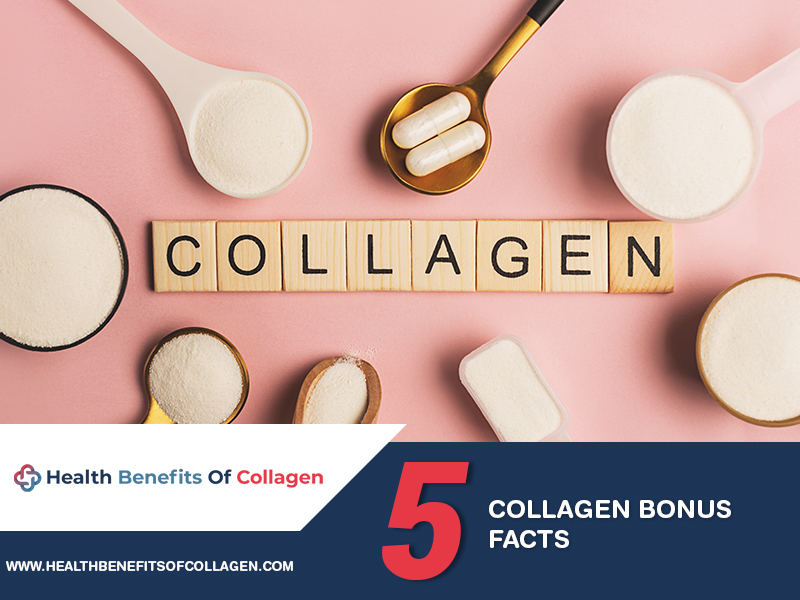
Collagen is the most important protein found in our bodies. It's present in the muscles, bones, skin, blood vessels, digestive system, and tendons. Collagen helps the skin grow strength and suppleness while also replacing dead cells. We explored the health advantages of collagen as well as all the information you need to get the maximum benefit from this wonderful supplement.
Collagen is the "glue" that holds our bodies together, and as we age, collagen production naturally slows down. Fortunately, foods like bone broth can provide a lot of this essential protein. In this article, you learned about the benefits of collagen as well as related information so that you may utilize it as a "go-to" supplement to help you get on the road to a healthier life.
« Previous Page Next Page»
